
Water Heaters · 8 min read
Why Does My Hot Water Smell Like Rotten Eggs?
When only the hot water smells like rotten eggs, the water heater is almost always the source. Here is why it happens, how to confirm it at home, and how a plumber stops the smell from coming back.
By Full House Plumbing Service · Jacksonville plumbers with ten years of hands-on experience
Published · Updated
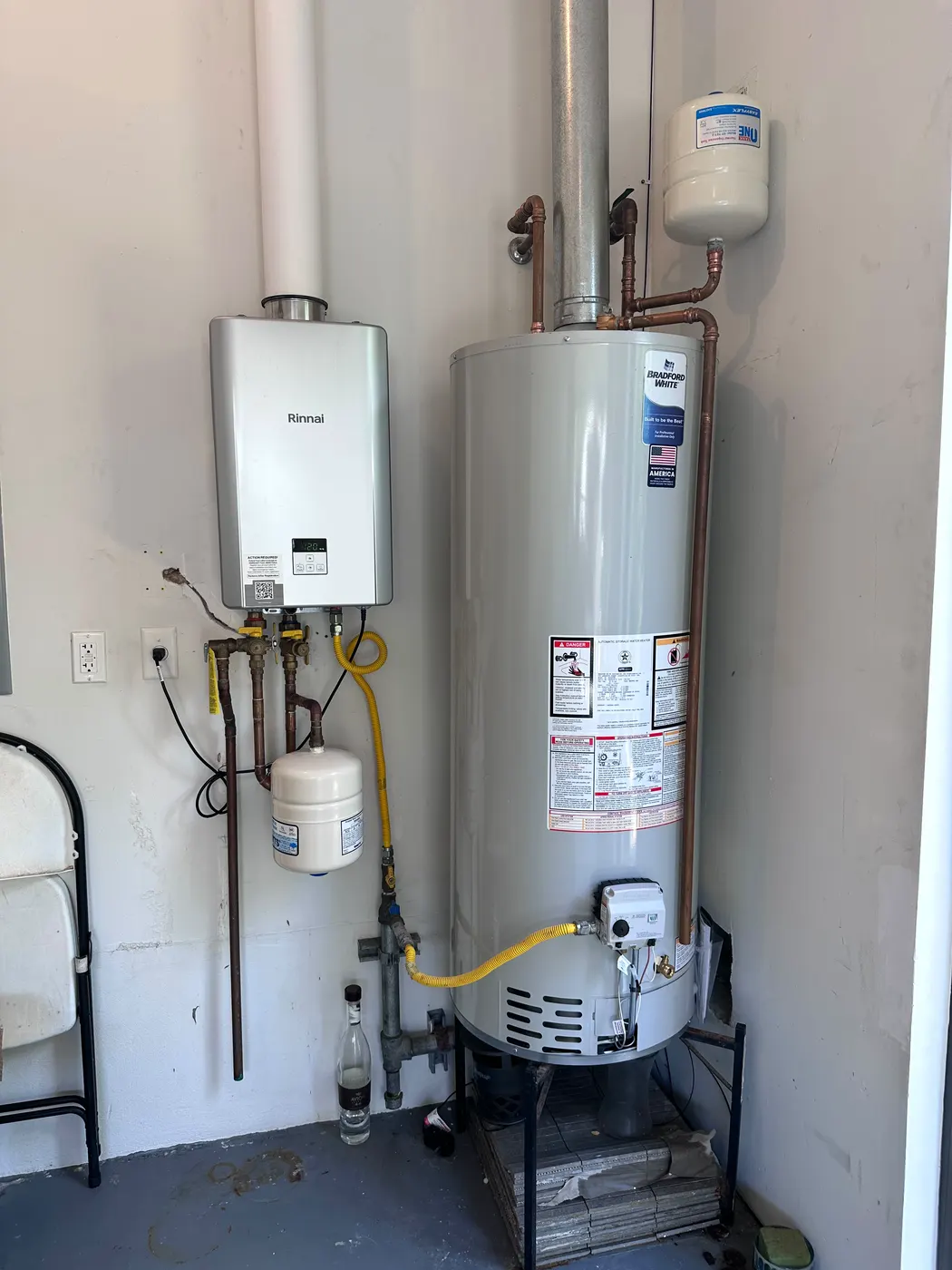
If only your hot water smells like rotten eggs, the cause is almost always inside the water heater. Bacteria that feed on sulfates in the water react with the heater's anode rod and produce hydrogen sulfide, the gas you smell. Flushing and disinfecting the tank, then changing the anode rod type, usually solves it.
One important exception first: if the rotten egg smell is in the air near a gas water heater, stove, or furnace rather than in the water coming out of the tap, it may be natural gas, which has a sulfur-like odor added so leaks can be noticed. Do not switch anything on or off. Leave the house and call your gas company from outside.
What causes the rotten egg smell in hot water?
The smell is hydrogen sulfide, a gas produced when sulfate-reducing bacteria in the water interact with the anode rod inside a tank water heater. The bacteria themselves are common and harmless in small numbers; it is the combination with a warm tank and a reactive anode rod that turns a faint trace into a strong odor.
Every tank water heater has an anode rod — a long metal rod, very often made of magnesium, that hangs inside the tank. Its job is to corrode on purpose so the steel tank does not. As the rod slowly dissolves, it creates conditions these bacteria can use to convert sulfate in the water into hydrogen sulfide. A tank of warm water that sits still for hours gives them a comfortable place to work, which is why the smell is usually strongest first thing in the morning.
Where the sulfate comes from matters too. Much of Florida's water is drawn from underground, and groundwater often carries dissolved sulfur compounds picked up as it moves through rock. Around Jacksonville, that water comes from the Floridan aquifer, the same source behind the region's mineral-heavy water. The amount varies from one water source to another and is often higher in private wells.
A few situations make the smell more likely to show up:
- The heater sat unused for a while — after a vacation, or in a seasonal home — so the water in the tank went stale.
- The thermostat was turned down or left in vacation mode, keeping the tank at a temperature bacteria tolerate well.
- A new heater or a new magnesium anode rod was recently installed, since a fresh rod can be especially reactive.
- The home uses a private well, where sulfur and sulfates in the water are more common.
Is it the water heater or the water supply?
Compare the hot and cold water: if only the hot water smells, the water heater is the source; if both hot and cold smell, the sulfur is arriving with your water supply. A simple glass test at the sink tells you which situation you are in within a few minutes:
- Run the cold water at a kitchen or bathroom faucet for a minute, fill a clean glass, step away from the sink, and smell the glass.
- Rinse the glass, run the hot water only for a minute, fill it again, step away, and smell.
- If only the hot glass smells, the water heater is producing the odor.
- If both glasses smell, the water supply carries the sulfur, and the heater may simply be making it stronger.
- If neither glass smells but the sink does, the odor is coming from the drain, not the water.
- If the smell only happens at one faucet, test that faucet's drain and a second faucet before blaming the heater.
Stepping away from the sink is the important part. Drain odors are the most common mix-up we see: a P-trap under a rarely used sink or shower can dry out and let sewer gas through, and buildup in a bathroom sink overflow can smell remarkably like sulfur. If the glass of water itself smells clean, the water heater is not your problem.
Is water that smells like rotten eggs safe to use?
At the levels that cause a smell in household tap water, hydrogen sulfide is generally described by public health agencies as a nuisance rather than a health hazard. It can still make water taste unpleasant, tarnish silverware and fixtures, and darken or stain surfaces over time.
That said, a smell is not a water test. If you rely on a private well, if both hot and cold water smell, or if the odor appeared suddenly along with a change in color or taste, having the water tested is the sensible next step before deciding how to treat it.
What can I safely check myself?
A few low-risk checks narrow down the cause without opening up the heater. Work through them in order and write down what you find:
- Do the glass test above and note which faucets smell and whether it is hot, cold, or both.
- Run the hot water at a tub for several minutes. A smell that fades with fresh water and returns after the heater sits — often worst in the morning — is the classic water heater pattern.
- Look at the thermostat or control panel. If it was turned down or set to vacation mode, that may explain when the smell started.
- Photograph the heater's label so you have the make, model, and manufacture date handy — age matters for the repair-or-replace decision.
- If you are comfortable doing it, drain a few gallons from the drain valve at the bottom of the tank into a bucket and look for sediment. The water can be hot enough to scald, and older drain valves can be stiff or fail to close tightly, so stop if the valve resists.
What not to do: do not pull the anode rod out and leave it out, do not pour bleach or other chemicals into the tank yourself, and do not turn the thermostat up to its highest setting and leave it there. Each of these can shorten the life of the heater or create a scalding risk, and none of them fixes the underlying cause on its own.
How does a plumber fix a smelly water heater?
A plumber usually fixes the problem in two steps: clear the bacteria out of the tank, then change the conditions that let them come back. In our experience, doing only the first step tends to bring the smell back within weeks.
Flushing and disinfecting the tank
The plumber shuts off the heater, drains the tank, and flushes out the sediment at the bottom, where much of the bacteria live. The tank is then disinfected with a measured solution, held for the right amount of time, and flushed thoroughly before the heater goes back into service. This is a routine part of water heater repair, and in a home where the smell came from a heater that simply sat unused, it can be the whole fix.
Replacing the anode rod
If the smell keeps returning, the anode rod is usually the lasting fix. There are a few common choices, and each has honest trade-offs:
- Aluminum/zinc anode rod: a passive rod that still protects the tank but is commonly used to reduce sulfur odor, because the zinc interferes with the reaction. It needs no power. It still wears away over time, and how well it works depends on your water.
- Powered anode rod: uses a small electric current through a rod that does not dissolve, so it does not feed the reaction the way a magnesium rod can. It costs more up front, needs a nearby outlet, and must stay plugged in, since the tank is not protected while it is unplugged.
- Keeping a standard magnesium rod: reasonable when disinfecting the tank solved the smell for good.
Removing the anode rod entirely is a bad idea, even though it sometimes stops the smell. Without it, nothing protects the steel tank from corroding from the inside, which can shorten the heater's life considerably. Manufacturers expect an anode to be in place, so removing or changing it may affect the warranty — it is worth reading your heater's warranty terms before any change.
When replacing the heater makes more sense
If the heater is near the end of its life, shows rust at the fittings, leaks, or rumbles heavily from sediment, spending money on a new anode may just delay a replacement. A new tank heater is a straightforward water heater installation in most homes. Most tankless water heaters do not use a tank anode rod, which takes this particular reaction out of the picture, though in hard water they need regular descaling to stay healthy.
When is a whole-house filter or softener worth discussing?
A whole-house treatment conversation makes sense when both hot and cold water smell, because then the heater is not the root cause and the sulfur is arriving with the water. Treating the heater alone will not stop an odor that is already in the cold line.
Start with a water test so any equipment is chosen for what is actually in your water. Systems designed to remove sulfur odor work in different ways and suit different levels, so there is no single right product for every house. It also helps to know what a water softener does and does not do: a softener removes hardness minerals like calcium and magnesium, but it is not designed to remove a sulfur smell. If you are on a private well, a well contractor or water treatment specialist can test the water and advise on treatment for the well itself.
When should I call a plumber?
Call a plumber when the smell keeps coming back or when the heater shows other signs of trouble. These are the thresholds we use:
- The smell returns after the tank has been flushed.
- The hot water also looks rusty, brown, or black, or carries grit.
- The heater leaks, rumbles loudly, or is near the end of its expected life.
- You want to change the anode rod type but are not comfortable draining the tank or working near gas or electrical connections.
- Both hot and cold water smell on city water — a plumber can rule out the house, and it is worth letting your water provider know as well.
When you are ready, you can book a visit online, or call or message us. We are open 24 hours Sunday–Friday, closed Saturday. We will confirm where the smell is coming from before recommending anything, and explain the anode options plainly so you can choose what fits your home.
If you would rather have someone keep an eye on the heater for you, our Family Plan membership includes a plumbing check-up twice a year — a natural time for regular water heater maintenance and to mention any odor before it becomes a daily annoyance.